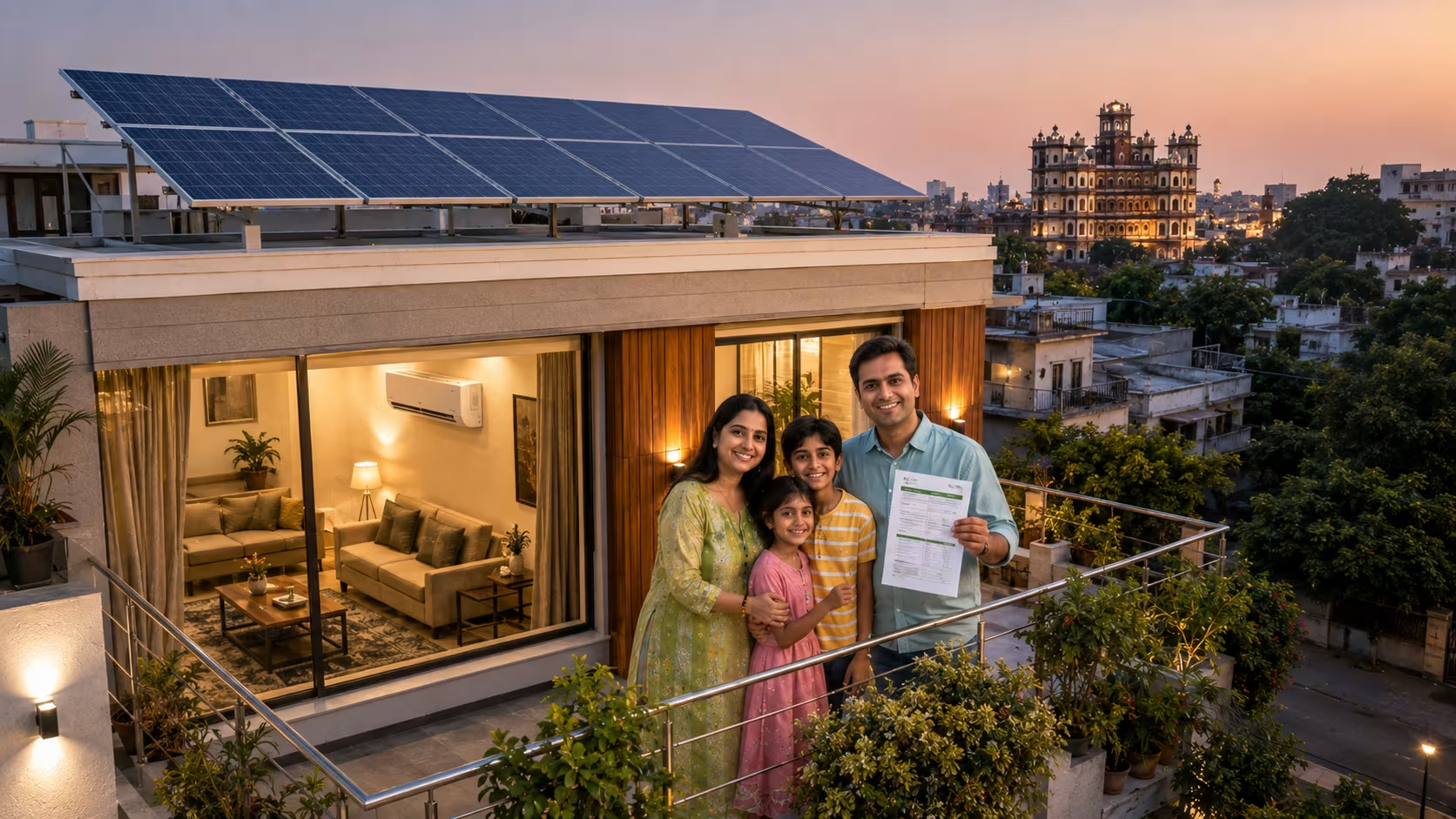
Solar power plant installation in Indore is becoming a practical option for homes, shops, offices and other properties. A rooftop solar system uses sunlight to produce electricity that can be used inside the building.
The main benefit is simple: you buy less electricity from the grid. Eligible homeowners may also receive a government subsidy, while net metering can help them receive credit for extra electricity sent to the grid.
However, the actual benefit is different for every property. It depends on the electricity bill, system size, roof space, shadow, panel quality and daytime power use.
Key Benefits of Solar Power Plant Installation in Indore
1. Lower Monthly Electricity Bills
Solar panels generate electricity during daylight hours. This electricity is first used to run appliances inside the property, such as fans, lights, refrigerators, pumps and air conditioners.
Because some of your electricity comes from the solar system, you need to buy fewer units from the electricity company. This can help reduce electricity bills in Indore.
The exact reduction is not the same for everyone. It depends on:
- The size of the solar system
- Daily electricity consumption
- Daytime appliance use
- Roof direction and shadow
- Seasonal solar generation
- Electricity tariff and billing rules
A proper electricity-bill assessment is therefore important before deciding the system size.
2. Protection Against Rising Electricity Tariffs
Electricity charges may change over time. When grid electricity becomes more expensive, homes and businesses without solar may have to pay more for every unit they consume.
A rooftop solar system allows the property owner to generate part of the required electricity on-site. This reduces the number of units purchased from the grid.
Solar does not completely protect users from every electricity charge. Fixed charges, minimum charges and other applicable fees may still appear on the bill. However, reducing grid consumption can provide better control over long-term electricity expenses.
3. Lower Installation Cost Through Government Subsidy
The solar panel subsidy in Madhya Pradesh under the PM Surya Ghar: Muft Bijli Yojana provides central financial assistance for eligible residential rooftop solar systems. The scheme remains active in the 2026–27 financial year and is available to residential consumers with a valid grid-connected electricity connection who follow the official application process.
The central subsidy structure is:
| Rooftop solar capacity | Maximum central subsidy |
|---|---|
| 1 kW | ₹30,000 |
| 2 kW | ₹60,000 |
| 3 kW or more | ₹78,000 |
The subsidy is capped at 3 kW. This means a qualifying 4 kW or 5 kW residential system may still receive a maximum central subsidy of ₹78,000, subject to the scheme’s rules and approval.
The subsidy is mainly meant for eligible residential consumers. Shops, offices, factories and other commercial properties do not receive the same residential subsidy merely because they install solar panels.
Consumers should confirm their eligibility on the official PM Surya Ghar portal before finalising the installation.
4. Benefits of Net Metering
A rooftop solar system may sometimes generate more electricity than the property is using at that moment.
Under an approved solar net metering arrangement, this extra electricity can be exported to the grid. A bidirectional meter records both:
- Electricity taken from the grid
- Extra solar electricity sent to the grid
The exported electricity is adjusted according to the current billing rules of the electricity distribution company and the Madhya Pradesh Electricity Regulatory Commission.
Madhya Pradesh currently has regulations for grid-interactive renewable energy systems, including updated provisions notified in June 2026. Final credits and adjustments depend on the applicable MPERC and DISCOM rules at the time of approval.
Net metering is especially useful when solar panels produce extra electricity during the day but the household uses more power in the evening.
5. Long-Term Savings on Electricity Costs
A rooftop solar system requires an initial investment, but it can continue producing electricity for many years.
This creates long-term value because the owner can keep reducing grid electricity consumption after the initial system cost has been recovered.
The recovery period is not fixed. It depends on:
- Final solar installation cost
- Subsidy received
- Annual solar generation
- Electricity tariff
- System maintenance
- Daytime electricity consumption
- Net-metering benefits
Users should avoid believing guaranteed payback or savings claims without first checking their electricity bills and rooftop conditions.
6. Better Use of Available Sunlight
Solar panels convert sunlight into electricity. This makes an open and shadow-free rooftop useful for producing power.
However, having a large roof does not automatically guarantee high generation. The installer must check:
- Shadow from nearby buildings
- Trees, water tanks and walls
- Roof direction
- Panel angle
- Available installation area
- Dust and cleaning conditions
Heat, dirt and shadow can affect the electricity produced by a solar system. A rooftop survey helps estimate generation more realistically before installation.
Solar generation also changes with the weather and season. Output may be lower on cloudy or rainy days than on clear days.
7. Low Maintenance and Long System Life
Solar panels do not have moving parts, so their regular maintenance needs are generally low.
Basic care usually includes:
- Cleaning dust and bird droppings
- Checking the inverter
- Inspecting wires and connections
- Monitoring electricity generation
- Repairing damaged parts when required
Solar photovoltaic systems can operate for around 20 to 30 years when they are properly installed and maintained. Panels usually last longer than some other system components, while an inverter may need repair or replacement earlier.
Low maintenance does not mean zero maintenance. Regular monitoring can help identify reduced generation, inverter faults or wiring problems before they become serious.
8. Reduced Dependence on Grid Electricity
A solar system allows a home or business to generate part of its electricity on-site.
During sunny daytime hours, appliances can use solar electricity instead of depending fully on grid supply. This can be useful for properties with high daytime consumption, such as:
- Homes with people present during the day
- Shops
- Offices
- Clinics
- Schools
- Warehouses
- Small businesses
However, a normal on-grid solar system should not be treated as power backup. For safety reasons, most grid-connected systems shut down during a power cut.
A battery or a properly designed hybrid solar system is required when backup during power cuts is an important need.
9. Cleaner Electricity and Lower Environmental Impact
Solar panels generate electricity without burning coal, diesel or natural gas at the property.
Using more solar electricity can reduce the need for electricity generated from fossil fuels. It also supports India’s wider move towards renewable energy.
Solar panels still require materials, manufacturing, transport and end-of-life management. Therefore, solar is not completely impact-free. However, it provides a cleaner operating source of electricity compared with regular fossil-fuel generation.
Responsible installation, maintenance and recycling are important throughout the system’s life.
10. Better Use of Unused Rooftop Space
Many properties have open rooftops that are not used for any regular purpose.
A rooftop solar system can turn part of this unused area into a place that generates electricity. Panels can be installed above an RCC roof, metal-sheet roof or another suitable structure after checking strength and safety.
The structure should not block important access points, water tanks, drainage paths or regular roof use. A proper layout helps keep the rooftop safe and usable.
11. Financial Benefits for Businesses
Commercial solar systems generally do not receive the same subsidy offered to residential households. However, solar may still help businesses reduce daytime electricity purchases.
This can be useful for businesses that use a large amount of power during sunny hours, such as offices, schools, hospitals, hotels, factories and warehouses.
The financial benefit for a business depends on:
- Daytime electricity load
- Applicable commercial tariff
- System cost
- Roof availability
- Financing cost
- Metering arrangement
- Tax treatment
- Maintenance expenses
Businesses should ask for a detailed generation and savings estimate instead of selecting a solar system only by price.
How Sun Heaven Energy Can Help You Achieve These Benefits
The solar installation process involves more than fixing panels on a roof. The system must be correctly sized, approved, installed and connected to the grid. The process includes -
- Rooftop Survey & Bill Assessment: Checks your electricity usage, rooftop space, shadow areas and suitable solar capacity.
- Right System Selection: Helps choose between on-grid, off-grid and hybrid solar systems based on your needs.
- Subsidy Guidance: Assists eligible residential users with understanding subsidy eligibility, portal registration and required steps.
- Documentation Support: Guides you with electricity bills, consumer details, bank information and installation documents.
- Net-Metering Assistance: Helps with DISCOM coordination, approval process and grid connection requirements.
- Professional Installation: Handles panel setup, inverter installation, wiring, safety checks and system testing.
- Monitoring & Support: Helps users understand system performance, maintenance needs and warranty support.
Conclusion
Solar power plant installation in Indore can reduce grid electricity consumption, lower monthly bills and provide long-term savings. Eligible homeowners may also benefit from the PM Surya Ghar subsidy and an approved net-metering arrangement.
The benefits are strongest when the system is selected according to the property’s actual electricity use and rooftop conditions. Users should compare system quality, installation standards, warranty terms, subsidy eligibility and after-sales support before making a decision.
Sun Heaven Energy can help Indore users understand these steps, prepare the required documents and select a suitable system. The purpose of this guidance should be to help users make an informed choice rather than rush them into an installation.
Frequently Asked Questions
Is the solar subsidy available to every property in Indore?
No. The PM Surya Ghar subsidy is mainly available for eligible residential rooftop solar systems connected to the grid. Commercial properties do not receive the same residential subsidy. Final eligibility depends on the official scheme and DISCOM verification.
How much subsidy is available for rooftop solar in 2026?
Eligible residential consumers may receive up to ₹30,000 for 1 kW, ₹60,000 for 2 kW and ₹78,000 for systems of 3 kW or more. The subsidy is capped at 3 kW.
Will solar panels completely remove my electricity bill?
Not necessarily. The result depends on system size, electricity consumption, generation, net-metering adjustment and fixed charges. Some users may receive very low bills in certain months, but a zero bill should not be guaranteed. Official data also notes that bill reductions vary according to self-consumption.
Will an on-grid solar system work during a power cut?
A standard on-grid system normally shuts down during a grid failure for safety. A battery and suitable hybrid or backup system are required to supply electricity during an outage.
How long can solar panels last?
Well-maintained solar photovoltaic systems can commonly operate for around 20 to 30 years. Actual life depends on product quality, installation, weather, maintenance and component condition.
How much maintenance does a rooftop solar system need?
Maintenance is usually limited because panels have no moving parts. Regular monitoring, safe cleaning and occasional inspection of the inverter, wiring and mounting structure are still important.